seattle police department manual

Seattle Police Department Manual: A Comprehensive Overview
The Seattle Police Department (SPD) Manual establishes standards and expectations, embodying concerns for effective, safe, and constitutional policing within the city.
The Seattle Police Department (SPD) Manual serves as the foundational document outlining the department’s core values, policies, and procedures. It’s designed to maintain professional conduct and ensure effective, safe, and constitutional policing practices throughout the city. This comprehensive manual details standards of behavior expected of all SPD personnel, fostering accountability and transparency in all operations.
The manual’s structure is organized into distinct titles, covering areas from department structure and employee welfare to critical operational procedures like search and seizure, evidence handling, and use of force. It’s a living document, regularly updated to reflect evolving legal standards, best practices, and community expectations.
Code of Ethics and Oath of Office
The Seattle Police Department Manual begins with a firm foundation: a comprehensive Law Enforcement Code of Ethics and the solemn Oath of Office. This section establishes the moral and legal obligations undertaken by every officer. The Code emphasizes integrity, service to the community, and impartial application of the law.
The Oath of Office signifies a commitment to uphold the Constitution, enforce laws fairly, and demonstrate courage and professionalism. These principles guide officers in navigating complex situations and maintaining public trust. Adherence to this code is not merely a requirement, but a cornerstone of the SPD’s commitment to ethical policing and community well-being.
Mayor and Chief of Police: Authority and Powers
The Seattle Police Department Manual clearly delineates the authority and powers vested in both the Mayor and the Chief of Police. The Mayor, as the elected leader of the city, holds ultimate responsibility for public safety and provides broad policy direction for the SPD. The Chief of Police, appointed by the Mayor, is responsible for the day-to-day operations and administration of the department.
This section outlines the specific powers granted to each position, ensuring accountability and a clear chain of command. It details how these leaders collaborate to establish departmental goals, allocate resources, and respond to community needs, all while upholding legal and ethical standards.

Department Structure and Organization
The SPD Manual details the department’s hierarchical structure, encompassing the chain of command, cadet roles, reserve utilization, and special commissions’ functions.
Chain of Command within the SPD
The Seattle Police Department’s chain of command, as outlined in the SPD Manual, establishes a clear hierarchy for authority and responsibility. This structure ensures efficient operations and accountability throughout the department. It begins with the Mayor, who holds ultimate authority, followed by the Chief of Police, responsible for departmental management and policy implementation.
Beneath the Chief, various divisions and units operate under a defined reporting structure. Commanders oversee specific divisions, such as Investigations or Operations, with Lieutenants and Sergeants providing direct supervision to officers. This tiered system facilitates effective communication, decision-making, and the consistent application of departmental policies and procedures. The manual emphasizes adherence to this chain of command for maintaining order and professionalism.
Police Cadets: Roles and Responsibilities
The Seattle Police Department Manual details the roles and responsibilities of Police Cadets, outlining their position within the department’s structure. Cadets are typically individuals undergoing training to become sworn officers, participating in a structured program designed to provide foundational knowledge and practical skills. Their duties often include assisting sworn officers with administrative tasks, community outreach, and preliminary investigations.
Cadets do not possess the full authority of sworn officers and operate under direct supervision. The manual emphasizes that their role is primarily observational and supportive, focused on learning departmental procedures and gaining practical experience. Successful completion of the cadet program is often a prerequisite for entry into the police academy, paving the way for a career as a Seattle Police Officer.
Police Reserves: Utilization and Guidelines
The Seattle Police Department Manual outlines the utilization and guidelines for Police Reserves, volunteer members who supplement the department’s staffing during specific events or emergencies. Reserves are not full-time officers but undergo training to assist with non-enforcement duties, such as traffic control, crowd management, and support operations. The manual details eligibility requirements, including background checks and completion of a Reserve Officer training program.
Utilization of Reserves is governed by strict guidelines, ensuring they operate under the direct supervision of sworn officers. They are prohibited from engaging in high-risk activities or exercising full police authority. The program aims to enhance community engagement and provide valuable support to the SPD, bolstering its capacity to respond to diverse needs;
Special Police Commissions: Purpose and Function
The Seattle Police Department Manual addresses Special Police Commissions, established for specific, temporary purposes authorized by city ordinance. These commissions grant limited police powers to individuals not regularly employed as sworn officers, often for events like large festivals or private security details at critical infrastructure. The manual meticulously details the application process, required qualifications, and scope of authority granted to commission members.
Crucially, the manual emphasizes that commission members operate under strict departmental oversight and are accountable to the SPD. Their powers are narrowly defined and expire upon completion of the designated event or task. This ensures accountability and maintains the integrity of law enforcement functions within Seattle.

Divisions of the Seattle Police Department
The SPD is structured into key divisions: Chief of Police, Administrative Services, Investigations, Operations, and Technical Services, each with specialized functions and responsibilities.
Chief of Police & Police Legal Advisor
The Chief of Police holds ultimate authority and responsibility for all departmental operations, ensuring adherence to laws, policies, and ethical standards. This leadership role involves strategic planning, resource allocation, and community engagement to maintain public safety and trust.
Crucially, the Police Legal Advisor provides essential counsel to the Chief and the department on legal matters. This includes interpreting laws, reviewing policies for legal compliance, and representing the SPD in legal proceedings. Their expertise safeguards the department against legal challenges and ensures all actions are constitutionally sound.
Together, the Chief and Legal Advisor form a vital partnership, balancing effective law enforcement with legal integrity and accountability, fostering a transparent and just system.

Administrative Services Division
The Administrative Services Division provides crucial support functions that enable the Seattle Police Department to operate effectively. This division encompasses essential services like financial management, facilities maintenance, and records management, ensuring smooth daily operations.
Key components include the Personnel Division, responsible for managing officer records, background checks, and internal affairs investigations, and the Training Division, dedicated to continuous officer development through ongoing education and skill enhancement.
Ultimately, the Administrative Services Division’s work is foundational, allowing sworn officers to focus on core policing duties by handling the logistical and administrative complexities of a modern police department.
Personnel Division: Management and Records
The Personnel Division within the Administrative Services Division is central to managing the human resources of the Seattle Police Department. Its core functions include maintaining comprehensive officer records, overseeing background investigations for potential recruits, and administering internal affairs processes.
This division ensures compliance with departmental policies and legal regulations regarding employment, promotions, and disciplinary actions. Accurate record-keeping is paramount, supporting fair and transparent personnel decisions.
Effectively, the Personnel Division safeguards the integrity of the SPD by meticulously managing its most valuable asset: its personnel, fostering a professional and accountable workforce.
Training Division: Officer Development

The Training Division is dedicated to the continuous professional development of Seattle Police Department officers. It designs and delivers comprehensive training programs covering legal updates, de-escalation techniques, community policing strategies, and specialized skills.
New recruits undergo rigorous initial training, while experienced officers participate in ongoing in-service courses to maintain proficiency and adapt to evolving best practices. The division emphasizes ethical conduct, constitutional policing, and effective communication skills.
Ultimately, the Training Division ensures that SPD officers are well-prepared, highly skilled, and committed to serving the Seattle community with professionalism and integrity.
Investigations Division
The Investigations Division of the Seattle Police Department is responsible for the thorough investigation of criminal activity within the city. This division employs a variety of specialized units to address diverse crime types, ensuring comprehensive and effective law enforcement.
Dedicated investigators utilize advanced techniques and collaborative strategies to gather evidence, interview witnesses, and apprehend suspects. The division prioritizes solving complex cases and bringing perpetrators to justice, while upholding the highest standards of integrity and professionalism.
Ultimately, the Investigations Division plays a crucial role in maintaining public safety and ensuring accountability within the Seattle community.

Juvenile Investigations Unit
The Juvenile Investigations Unit (JIU) within the Seattle Police Department’s Investigations Division specializes in cases involving young offenders and victims. Officers assigned to the JIU receive specialized training in adolescent psychology, legal considerations pertaining to juveniles, and trauma-informed investigative techniques.
This unit focuses on conducting sensitive investigations involving crimes committed by or against minors, prioritizing the well-being and rehabilitation of youth. Collaboration with social services, schools, and community organizations is paramount.
The JIU’s goal is to balance accountability with support, ensuring fair and equitable outcomes for all involved, while striving to prevent future juvenile delinquency.
Criminal Investigations Unit
The Criminal Investigations Unit (CIU) of the Seattle Police Department is responsible for the in-depth investigation of a wide range of criminal offenses. Detectives within the CIU specialize in areas such as homicide, robbery, assault, and property crimes, utilizing advanced investigative techniques and forensic analysis.
This unit focuses on gathering evidence, interviewing witnesses, and developing leads to identify and apprehend suspects. Collaboration with other law enforcement agencies and the prosecution team is crucial for successful case resolution.
The CIU’s primary objective is to build strong criminal cases that lead to convictions, ensuring justice for victims and enhancing public safety within the city of Seattle.
Operations Division
The Operations Division represents the core of the Seattle Police Department’s direct service to the community. This division encompasses critical functions like patrol, traffic enforcement, and rapid response to incidents, ensuring immediate safety and security for residents and visitors.
It is structured to provide a visible and proactive police presence, deterring crime and addressing community concerns. The Operations Division prioritizes effective resource allocation and collaborative partnerships with neighborhood groups.
Through its dedicated units, the Operations Division strives to maintain order, investigate crimes, and foster positive relationships with the public, upholding the SPD’s commitment to service and protection.
Patrol Division: Core Policing Functions
The Patrol Division forms the foundational element of the Seattle Police Department, delivering proactive and responsive policing services citywide. Officers within this division are the primary point of contact for the public, handling a diverse range of calls, from routine disturbances to critical emergencies.
Core functions include preventative patrol, initial crime investigation, traffic control, and community engagement. Patrol officers are tasked with maintaining order, enforcing laws, and providing assistance to those in need.
Effective patrol strategies are crucial for deterring crime, building trust, and ensuring the safety and well-being of Seattle’s neighborhoods, embodying the SPD’s commitment to public service.
Traffic Division: Enforcement and Safety
The Traffic Division of the Seattle Police Department prioritizes enhancing roadway safety and managing traffic flow throughout the city. Officers within this division are responsible for enforcing traffic laws, investigating collisions, and responding to traffic-related incidents.
Key functions encompass speed enforcement, DUI detection, pedestrian safety initiatives, and ensuring smooth traffic movement. They also manage special events requiring traffic control and investigate serious or fatal collisions.
Proactive traffic enforcement and public awareness campaigns are vital for reducing accidents, injuries, and fatalities, aligning with the SPD’s dedication to public safety and responsible driving practices.
Technical Services Division
The Technical Services Division provides crucial support to all SPD operations through specialized units focused on forensic analysis and detention management. This division ensures the integrity of evidence and the safe, secure custody of individuals within the legal system.
Key components include the Laboratory Division, responsible for scientific examination of evidence, and the Jail Division, overseeing the operation of detention facilities. These units employ advanced technology and skilled personnel.
Maintaining rigorous standards in evidence handling and jail administration is paramount, upholding the SPD’s commitment to justice, accountability, and the constitutional rights of all involved.
Laboratory Division: Forensic Analysis
The Laboratory Division is a critical component of the Technical Services Division, dedicated to providing scientific examination and analysis of evidence collected during investigations. This unit employs cutting-edge technology and highly trained forensic scientists to support the Seattle Police Department’s pursuit of justice.
Services offered encompass a wide range of disciplines, including DNA analysis, trace evidence examination, ballistics, and drug chemistry. Accurate and reliable forensic results are vital for building strong cases and ensuring fair outcomes;
Maintaining strict quality control measures and adhering to established scientific protocols are paramount within the Laboratory Division, upholding the integrity of evidence and the credibility of the SPD.
Jail Division: Custody and Management
The Jail Division, also within Technical Services, assumes full responsibility for the secure custody, care, and management of individuals arrested and awaiting judicial processing by the Seattle Police Department. This involves maintaining a safe and humane environment while adhering to all legal and constitutional standards.
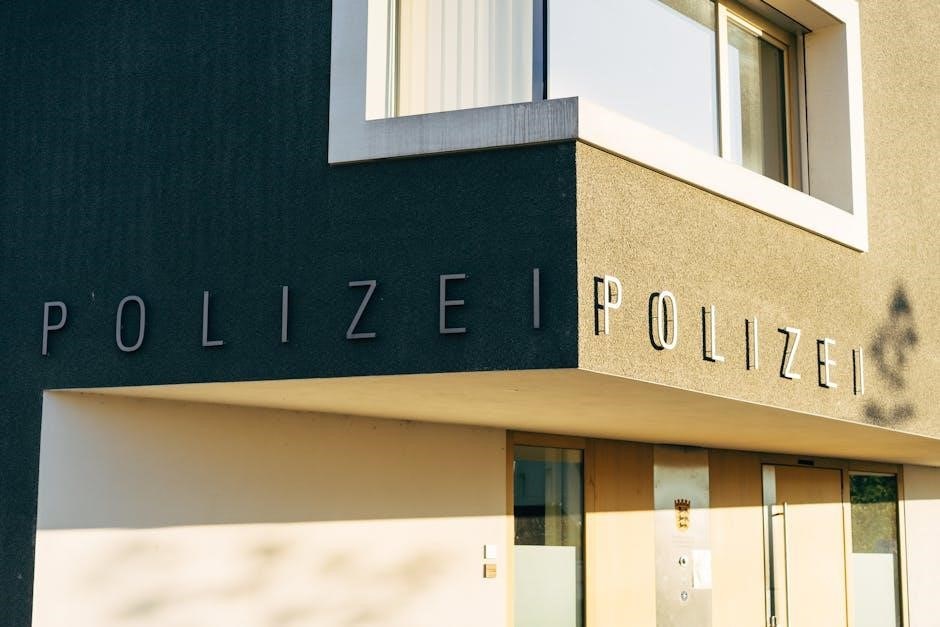
Personnel within the Jail Division are tasked with ensuring the well-being of detainees, providing necessary medical attention, and preventing escapes. Strict protocols govern all aspects of jail operations, including searches, visitation, and the handling of inmate property.
Effective coordination with courts, medical facilities, and other agencies is crucial for the Jail Division’s successful operation, contributing to a smooth and lawful criminal justice process.

Personnel Regulations and Policies
SPD Manual details regulations for work evaluation, assignment, absence, sickness, injury on duty, furloughs, and job termination processes, ensuring fairness and clarity.
Work Evaluation and Assignment Procedures
The Seattle Police Department Manual outlines a structured process for evaluating officer performance and assigning duties. These procedures aim to ensure fairness, transparency, and alignment with departmental goals. Evaluations consider various factors, including adherence to policy, professional conduct, and job proficiency.
Assignment decisions prioritize departmental needs, officer skills, and experience levels. The manual details guidelines for temporary and permanent assignments, considering factors like specialized training and unit requirements. Regular reviews of assignments are conducted to optimize resource allocation and officer development. This systematic approach supports effective policing and fosters a skilled, adaptable workforce within the SPD.

Absence and Sickness Policies
The Seattle Police Department Manual details comprehensive policies regarding officer absence and illness, ensuring operational readiness while supporting employee well-being. These guidelines cover reporting procedures for both planned and unplanned absences, including required documentation and notification timelines. Sick leave accrual rates and usage stipulations are clearly defined, adhering to city and departmental regulations.
The manual also addresses extended sick leave, disability leave, and related benefits. It emphasizes the importance of timely reporting and medical verification to facilitate appropriate support and maintain staffing levels. These policies aim to balance the needs of the department with the health and welfare of its officers.
Injury on Duty: Reporting and Compensation
The Seattle Police Department Manual outlines strict procedures for reporting any injury sustained while on duty, prioritizing officer safety and ensuring access to necessary medical care. Officers are required to immediately report incidents to their supervisor, followed by completing a detailed injury report form. This report initiates the investigation and documentation process for potential compensation claims.
The manual clarifies eligibility criteria for injury on duty benefits, including medical expenses, lost wages, and potential disability benefits. It details the process for filing worker’s compensation claims and navigating the associated paperwork. Adherence to these procedures is crucial for a swift and equitable resolution.
Furlough Procedures
The Seattle Police Department Manual addresses furlough procedures, outlining guidelines for temporary, unpaid leaves of absence implemented during budgetary constraints or operational needs. These procedures detail eligibility criteria, application processes, and the impact on benefits such as health insurance and accrued leave. The manual emphasizes fair and equitable application of furlough policies, prioritizing essential services and minimizing disruption to public safety.
It clarifies the process for recalling furloughed officers, ensuring a smooth transition back to full duty status. Detailed information regarding reinstatement of benefits and accrued leave is also provided, aiming for transparency and support during potentially challenging times for personnel.
Job Termination: Processes and Guidelines
The Seattle Police Department Manual meticulously details job termination processes, ensuring due process and adherence to legal standards. It outlines various grounds for termination, including misconduct, performance deficiencies, and policy violations. The manual emphasizes a progressive discipline approach, often involving counseling, performance improvement plans, and suspension prior to termination.
Detailed procedures for investigations, documentation, and appeals are provided, safeguarding both the employee’s rights and the Department’s integrity. The guidelines cover proper notification procedures, final pay disbursement, and the return of Department property, ensuring a legally sound and respectful separation process.

Key Policy Areas
The SPD Manual comprehensively addresses crucial areas like search and seizure, evidence handling, firearms usage, and equipment standards for all personnel.
Search and Seizure Policies
The Seattle Police Department Manual dedicates significant attention to search and seizure policies, ensuring all actions align with constitutional requirements and legal precedents. These policies meticulously outline the procedures for obtaining and executing search warrants, emphasizing the necessity of probable cause and judicial oversight. SPD officers are instructed on the permissible scope of searches, limitations on intrusive methods, and the proper handling of seized evidence.
Furthermore, the manual details exceptions to the warrant requirement, such as searches incident to lawful arrest, consent searches, and exigent circumstances. Officers receive training on recognizing and applying these exceptions appropriately, minimizing potential legal challenges. Strict adherence to these guidelines is paramount to protect individual rights and maintain public trust, fostering a balance between effective law enforcement and civil liberties.
Evidence and Property Management
The Seattle Police Department Manual establishes comprehensive protocols for evidence and property management, crucial for maintaining the integrity of investigations and ensuring accountability. These policies detail procedures for the proper collection, documentation, storage, and chain of custody of all evidence obtained during investigations. SPD officers are required to meticulously document each item, utilizing standardized forms and secure storage facilities.
The manual also addresses the handling of found property, lost items, and seized assets, outlining procedures for identification, notification of owners, and eventual disposition. Regular audits and inventory checks are mandated to prevent loss, theft, or mishandling. Strict adherence to these guidelines is vital for upholding the legal validity of evidence and maintaining public confidence in the department’s operations.
Firearms Policies and Procedures
The Seattle Police Department Manual outlines strict firearms policies and procedures governing the use of force by officers. These guidelines prioritize the sanctity of life and emphasize de-escalation techniques whenever possible. The manual details authorized use-of-force scenarios, emphasizing that firearms are a last resort, employed only when facing an imminent threat of death or serious bodily injury.
Comprehensive training is required, covering safe firearm handling, proficiency, and legal considerations. Officers must demonstrate competency regularly. The manual also addresses reporting requirements for all firearm discharges, including accidental or intentional use, and mandates thorough investigations following any such incident. Adherence to these policies is paramount for ensuring responsible and lawful firearm deployment.
Equipment and Uniform Standards
The Seattle Police Department Manual meticulously details equipment and uniform standards to maintain professionalism, officer safety, and public trust. Regulations cover everything from the approved duty belt configuration to the proper wear of the uniform, ensuring a consistent and recognizable appearance for all officers. Specific guidelines address authorized equipment, including body-worn cameras, radios, and less-lethal weapons.
The manual emphasizes the importance of maintaining equipment in good working order and outlines inspection procedures. Uniform standards promote a cohesive departmental identity while enhancing officer visibility and credibility. Adherence to these standards is crucial for projecting a professional image and fostering positive community relations.